

Description
Product Overview
The ATMEGA328P-PU is built on an advanced 8‑bit RISC architecture that delivers efficient instruction execution and low power consumption, making it a solid foundation for a wide range of embedded applications. Its core design includes 32 general‑purpose registers, three flexible addressing modes, and a rich instruction set that enables developers to write compact code while maintaining high performance. The microcontroller’s deterministic timing and predictable behavior are essential for real‑time control tasks, ensuring that critical operations occur exactly when needed. Robust 8‑bit RISC core delivers fast instruction execution while consuming minimal power, ideal for battery‑operated devices and energy‑sensitive applications. Its deterministic timing ensures reliable real‑time control, reducing latency in motor control and sensor reading tasks.
Equipped with up to 32 KB of in‑system programmable flash memory, the ATMEGA328P-PU provides ample space for firmware, bootloaders, and data storage while offering high‑endurance non‑volatile segments that withstand thousands of write‑erase cycles. The flash architecture is organized into configurable pages, allowing developers to update only the sections that change, which reduces programming time and minimizes wear on the device. Combined with EEPROM and SRAM options, the microcontroller supports diverse data handling strategies, from temporary buffers to persistent configuration records. Programming the flash can be performed via standard ISP interfaces using popular development environments such as Arduino IDE, Atmel Studio, or open‑source toolchains, ensuring a smooth learning curve for beginners. The memory layout supports bootloader placement at the beginning of the flash, enabling easy firmware updates over serial or USB connections without requiring external programmers. Moreover, the chip’s tolerance to temperature variations from -40 °C to 85 °C guarantees stable operation in harsh industrial settings.
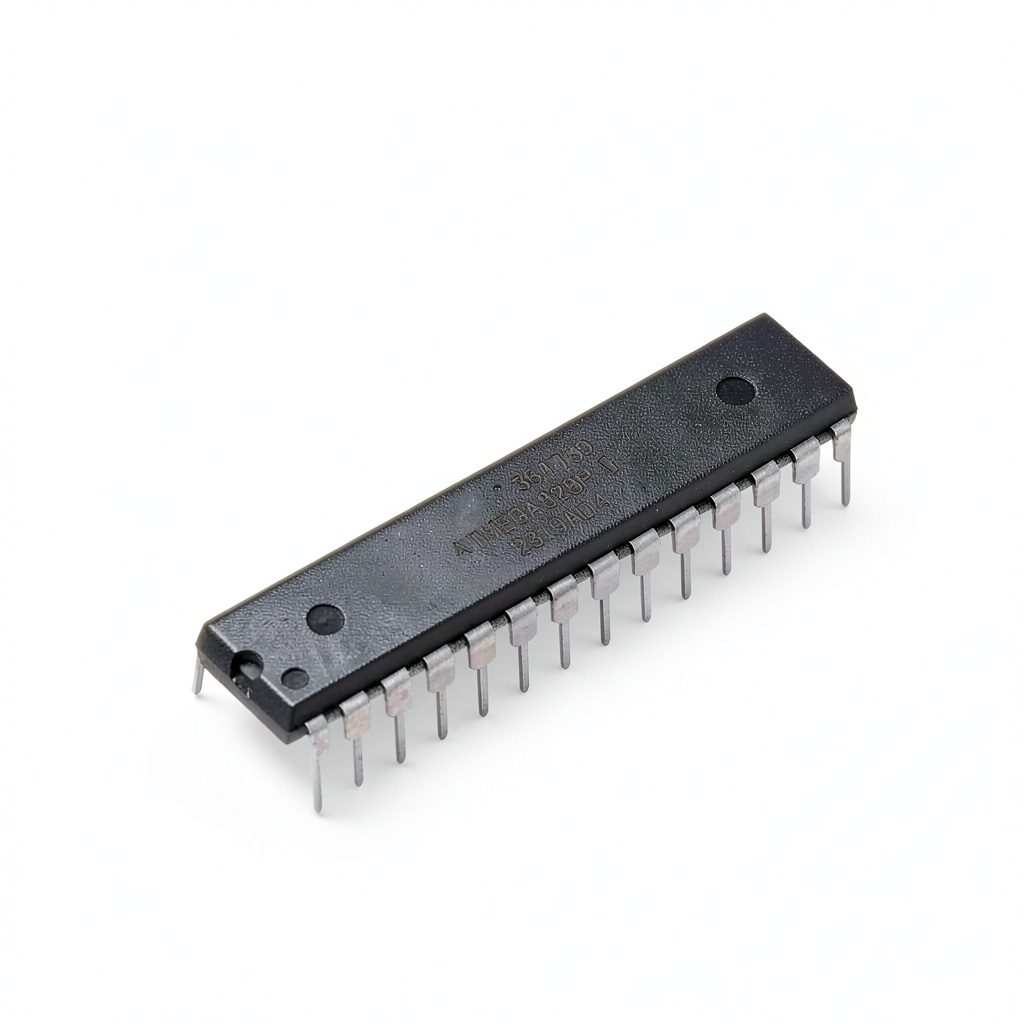
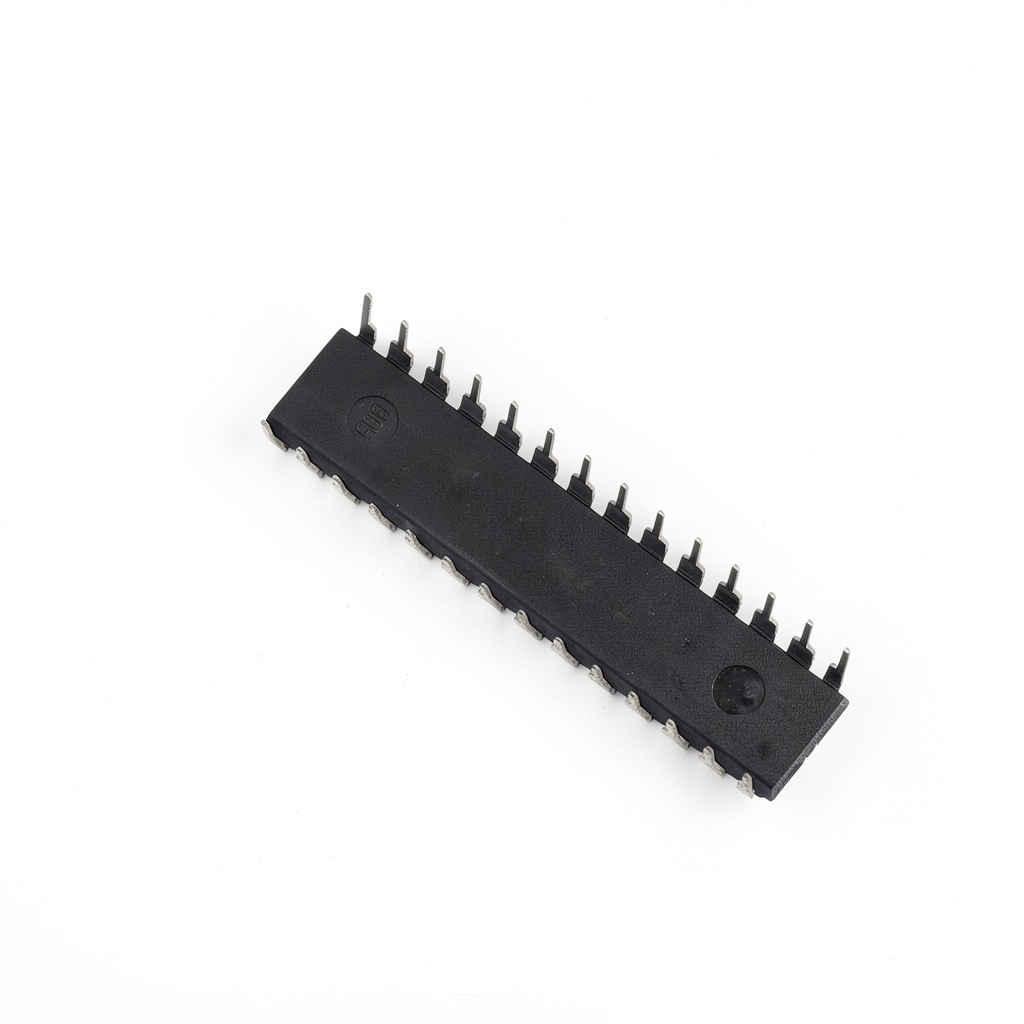
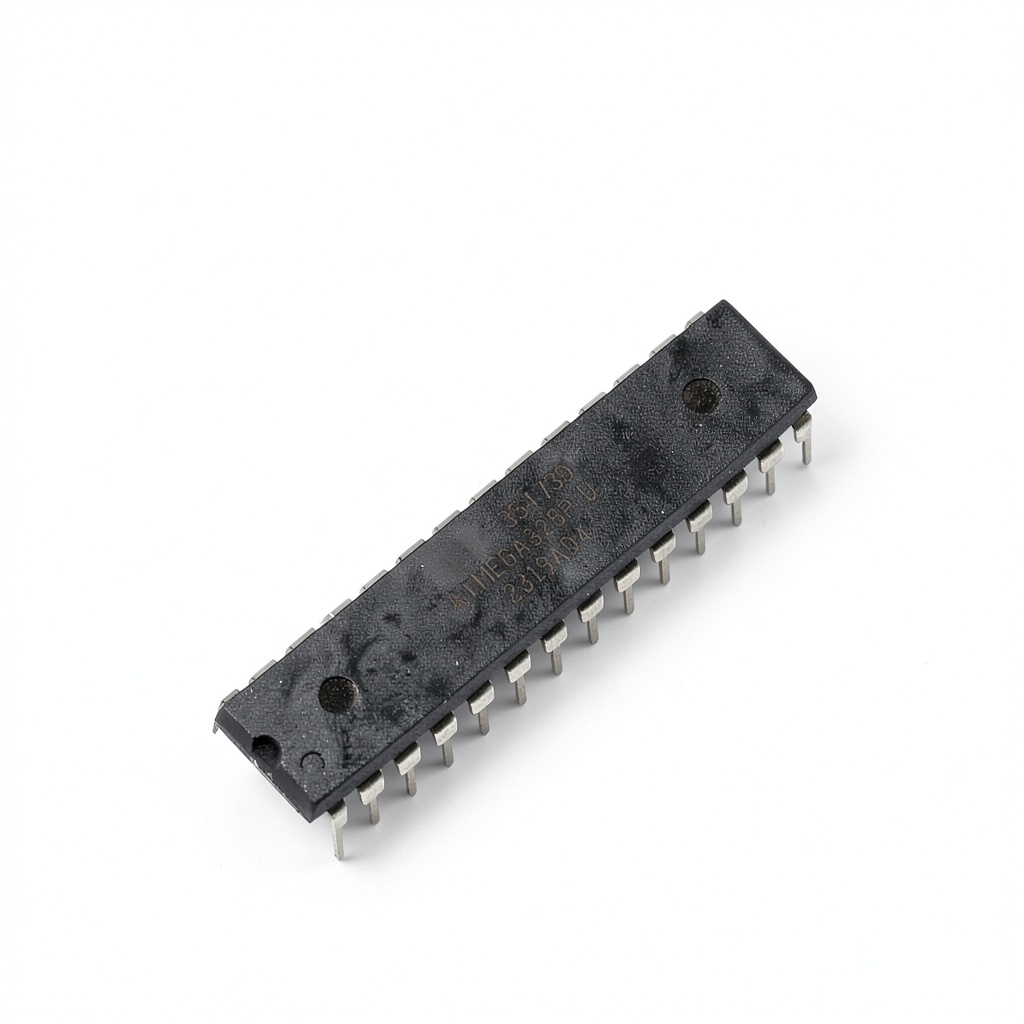
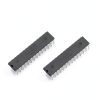
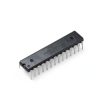
The DIP‑28 package houses 28 pins that expose a comprehensive set of digital I/O, analog inputs, PWM channels, and communication interfaces such as UART, SPI, and I²C, enabling seamless integration with sensors, actuators, and peripheral modules. Pin‑out flexibility includes interrupt‑capable pins that can wake the device from sleep modes, supporting power‑saving designs for battery‑operated equipment. The compact footprint of 5.08 × 2.64 × 0.39 inches makes the component suitable for dense PCB layouts, while the 0.63‑ounce weight ensures easy handling during assembly. The analog‑to‑digital converter (ADC) offers 10‑bit resolution with selectable reference voltages, providing accurate sensor readings for temperature, light, and pressure applications. PWM channels can be configured for fast motor speed control, LED dimming, or audio signal generation, while the UART module supports full‑duplex communication up to 1 Mbps. The SPI and I²C interfaces allow high‑speed data exchange with external memory, display modules, and other microcontrollers, making the ATMEGA328P-PU a versatile hub in multi‑device networks.
Reliability is reinforced by an integrated programmable watchdog timer that can reset the system in case of software anomalies, paired with a separate on‑chip oscillator that provides a stable clock source independent of external components. This combination allows designers to implement robust fail‑safe mechanisms without adding extra hardware, simplifying board design and reducing overall cost. Additionally, the microcontroller supports interrupt and wake‑up on pin change, offering responsive event‑driven operation for real‑world applications such as motor control, environmental monitoring, and user interface management. Extensive temperature and voltage testing has validated the chip’s ability to operate continuously under demanding conditions, while the built‑in calibration registers allow fine‑tuning of oscillator frequency for precise timing requirements. Designers can also leverage the device’s fuse settings to customize boot behavior, clock source selection, and brown‑out detection thresholds, tailoring the microcontroller to specific project constraints. This level of configurability, combined with the robust silicon, ensures long‑term stability for products ranging from consumer gadgets to industrial control panels.
![[Product front view showing all components]](https://www.drivenmart.store/wp-content/uploads/2026/07/437a6ce7c32047568ea0e794b074a33e.jpg)
Usage
In maker communities, the ATMEGA328P-PU is a popular choice for Arduino‑compatible boards such as the Uno and Nano, where its proven reliability and extensive library support accelerate development cycles. Hobbyists can quickly connect sensors, LEDs, and motors using the intuitive pin layout, while the built‑in bootloader enables one‑click firmware uploads via USB or serial adapters. The microcontroller’s low power consumption also makes it suitable for battery‑powered projects like wearable devices, remote weather stations, and portable data loggers, where extended runtime is essential.
For professional engineers, the ATMEGA328P-PU serves as a reliable core in embedded control units, industrial sensors, and communication gateways. Its robust watchdog timer and precise oscillator allow designs that must meet strict uptime requirements, while the configurable fuse bits let designers lock down security features and prevent unauthorized firmware modifications. The chip’s ability to operate across a wide temperature range and its low electromagnetic emissions make it compliant with many industry standards, facilitating integration into medical devices, automotive subsystems, and smart‑grid equipment.
Beyond standalone applications, the ATMEGA328P-PU can act as a communication bridge in IoT deployments, handling sensor data aggregation and protocol translation between MQTT, Modbus, or custom serial formats. Its fast I/O toggling and deterministic response times enable real‑time actuation, such as controlling relays, solenoids, or stepper motors in automation lines. By pairing the microcontroller with external memory or wireless modules, developers can create scalable solutions that grow from simple prototypes to fully certified products, all while keeping bill of materials low and simplifying firmware maintenance.
In educational settings, the ATMEGA328P-PU provides a hands‑on platform for teaching microcontroller fundamentals, digital logic, and embedded C programming. Instructors can design labs that demonstrate PWM control of LEDs, analog sensor reading with the ADC, and serial communication with PCs, giving students practical experience that translates directly to industry projects. The affordable price point and wide availability of development kits ensure that learning resources remain accessible, while the chip’s documented datasheet offers a comprehensive reference for deeper exploration of timing diagrams, register configurations, and power management strategies.
Overall, the flexibility and cost efficiency of the ATMEGA328P-PU make it an ideal choice for rapid prototyping and long‑term product development across diverse sectors.
Why Choose Us
Bridgold’s reputation for delivering high‑quality semiconductor components is reflected in the rigorous testing and quality assurance processes applied to every ATMEGA328P-PU unit. Each chip undergoes functional verification, burn‑in, and environmental stress screening to confirm compliance with industry specifications and to guarantee long‑term reliability in demanding applications. The company’s supply chain management ensures consistent availability, reducing lead times for manufacturers and enabling just‑in‑time production schedules. Furthermore, Bridgold provides detailed datasheets, reference designs, and application notes that accelerate development and reduce time‑to‑market. Their technical support team, while not offering direct troubleshooting, maintains an online knowledge base with FAQs and community forums where engineers can share insights and best practices. The comprehensive documentation also includes recommended layout guidelines, thermal considerations, and recommended decoupling capacitor placements, helping designers achieve optimal electrical performance and signal integrity. By adhering to these guidelines, users can minimize electromagnetic interference and ensure stable operation even in noisy industrial environments. This attention to detail reflects Bridgold’s commitment to delivering components that meet the stringent reliability standards required by OEMs worldwide. Thus, customers benefit from both performance and peace of mind.
Choosing the ATMEGA328P-PU from Bridgold also means gaining access to a global distribution network that supports fast shipping to industrial and scientific customers across multiple regions. The component’s competitive pricing, combined with its proven track record in high‑volume products, delivers cost efficiency without compromising on functionality. Bridgold’s commitment to sustainability is evident in its environmentally responsible manufacturing processes, which reduce waste and energy consumption. Customers can rely on consistent part numbering and clear labeling, simplifying inventory management and reducing the risk of errors during assembly. In addition, the company offers a straightforward return policy and responsive after‑sales assistance, ensuring that any supply issues are resolved promptly, further enhancing the overall ownership experience. The reliability of the ATMEGA328P-PU is further supported by its extensive community support, with numerous tutorials, code examples, and third‑party libraries available online. This ecosystem reduces development risk and accelerates time‑to‑market for new products, allowing engineers to focus on innovative features rather than low‑level hardware challenges. Overall, this combination of quality, support, and ecosystem makes the ATMEGA328P-PU a dependable choice for both startups and established manufacturers today globally.
Key Features
- Robust 8‑bit RISC core delivers fast instruction execution while consuming minimal power, ideal for battery‑operated devices and energy‑sensitive applications. Its deterministic timing ensures reliable real‑time control, reducing latency in motor control and sensor reading tasks.
- Up to 32 KB of flash memory provides ample space for firmware and data, with page‑wise programming that speeds updates and extends device lifespan through wear‑leveling techniques. The non‑volatile nature ensures data retention even after power loss, supporting reliable boot processes and configuration storage.
- Integrated programmable watchdog timer with separate on‑chip oscillator safeguards against software hangs, automatically resetting the system to maintain continuous operation without extra external components. This feature reduces design complexity and improves overall system reliability in critical applications.
- 28‑pin DIP package offers a clear pin layout with multiple digital I/O, PWM, ADC, UART, SPI, and I²C interfaces, enabling straightforward connection to sensors, actuators, and communication modules. The compact size fits dense PCB designs, while the robust lead frame ensures reliable solder joints for long‑term durability.
- Bridgold provides comprehensive documentation, reference designs, and an online knowledge base, plus responsive after‑sales assistance, ensuring developers receive the guidance needed to integrate the microcontroller efficiently and resolve any issues promptly.
FAQ
What development tools are compatible with the ATMEGA328P-PU?
The ATMEGA328P-PU is supported by a wide range of development environments, including the Arduino IDE, Atmel Studio, and open‑source toolchains such as AVR‑GNU‑C. Programmers like the USBasp, AVRISP mkII, and STK500 can program the device via the standard ISP interface. Additionally, the chip works with popular debugging tools that provide breakpoints and real‑time variable inspection. Because the microcontroller follows the AVR architecture, existing libraries for timers, ADC, and communication protocols can be reused without modification. This compatibility simplifies code migration and allows engineers to leverage existing codebases, reducing development time and ensuring a smooth transition from prototype to production. The extensive community support and abundant example sketches further accelerate learning, making the ATMEGA328P-PU an ideal choice for both beginners and seasoned developers.
How does the programmable watchdog timer improve system reliability?
The programmable watchdog timer in the ATMEGA328P-PU monitors the execution of the firmware and triggers a system reset if the software becomes unresponsive or exceeds a predefined time limit. By configuring the watchdog interval and enabling the separate on‑chip oscillator, designers can ensure that the microcontroller recovers automatically from unexpected hangs, power glitches, or software bugs without external circuitry. This self‑reset capability enhances overall system reliability, especially in unattended or safety‑critical applications such as remote sensors, motor controllers, and medical devices. Moreover, the watchdog can be refreshed within the application code, allowing flexible control over timeout periods to match specific performance requirements. Proper configuration of the watchdog also helps meet industry safety standards, providing an extra layer of protection against firmware failures.
Can the ATMEGA328P-PU be used in low‑power battery applications?
The ATMEGA328P-PU’s low power consumption, combined with its multiple sleep modes, makes it well suited for battery‑powered applications such as wearables, remote data loggers, and IoT sensors. In Power‑Down mode, the device can reduce its current draw to a few microamperes while preserving essential registers and the watchdog timer. Developers can wake the microcontroller via external interrupts, pin change events, or the watchdog, allowing periodic sensor measurements and data transmission without draining the battery. Additionally, the built‑in brown‑out detector protects the circuit from voltage drops, preventing corrupted operation during power fluctuations. These features together enable long‑term, maintenance‑free operation in energy‑constrained environments. By selecting appropriate clock prescalers and disabling unused peripherals, designers can further extend battery life, achieving months or even years of operation on a single cell.
What are the key differences between the ATMEGA328P-PU and other ATmega variants?
The ATMEGA328P-PU differs from other ATmega family members such as the ATMEGA328, ATMEGA168, and ATMEGA2560 in several key aspects. It offers a 28‑pin DIP package, providing a balance between pin count and board space, whereas the ATMEGA2560 uses a larger 100‑pin TQFP. Memory capacity is higher than the ATMEGA168, with up to 32 KB flash compared to 16 KB, while still maintaining low power characteristics. The ATMEGA328P-PU includes an enhanced watchdog timer and a more precise internal oscillator, improving reliability over earlier revisions. Additionally, its pin‑compatible footprint with popular Arduino boards ensures easy migration of existing designs without redesigning the PCB layout. These differences make the ATMEGA328P-PU a versatile choice for projects that require moderate I/O, moderate memory, and a compact form factor.
 FengHui PIC18F4550-I/P USB Microcontroller DIP40 16Kx16 Flash IC 1PCS
  SEBLAFF Drive Shaft Replacement for R-a-m 1500
  Waltyotur Carburetor Float Pin Needle Set for KX80 KDX80
  Rotary Carburetor Float Set Honda 16013-883-005
  Badminton Set Carlton Solar 600 Aluminum Rackets
  Toyota Tacoma Axle Shaft Assembly Orceed 926-139
 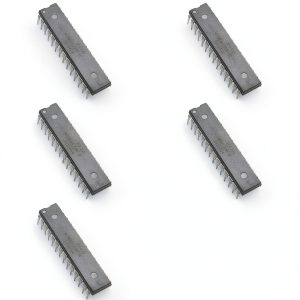 ATMEGA328P-PU 8-bit Microcontroller by Bridgold DIP-28 4/8/16/32 KB
  FR-E720-1.5K DTREEL Microprocessor 1.5K Speed High-Performance Chip
 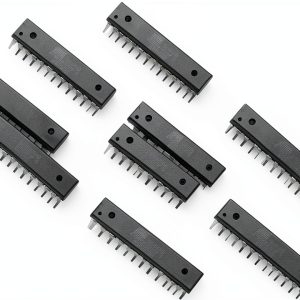 Atmega328P-PU 10pcs Microcontroller Uno R3 Bootloader DIP28 flashtree
  PIC12F675 XYwsh 8‑bit Microcontroller Flash MCU for Engineers
  KTM Carburetor Float Aluminum Replacement Part for Motorcycle Engines
  Lexus GX470 Rear Left Drive Axle Shaft Assembly Replacement
Reviews
There are no reviews yet.